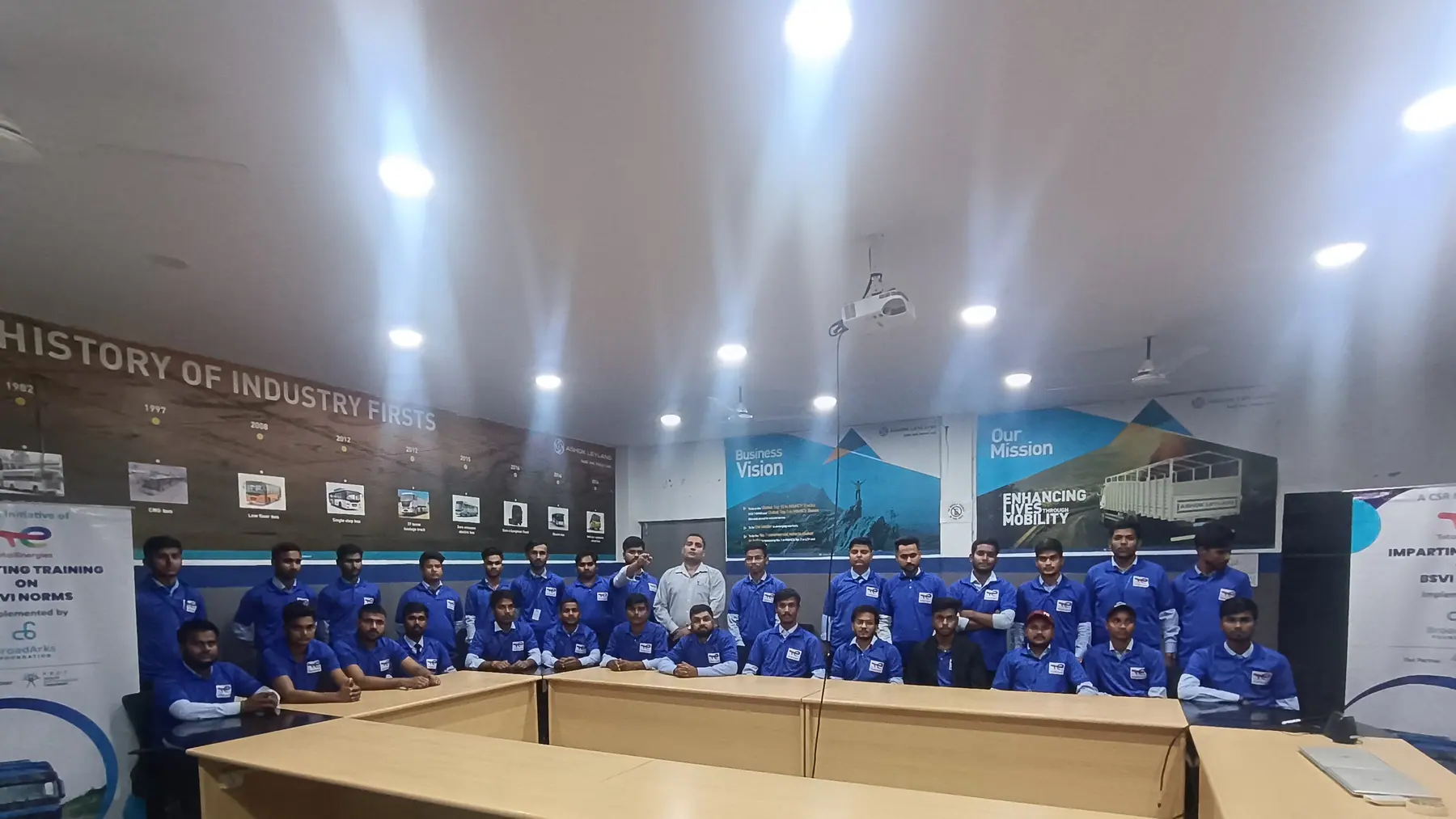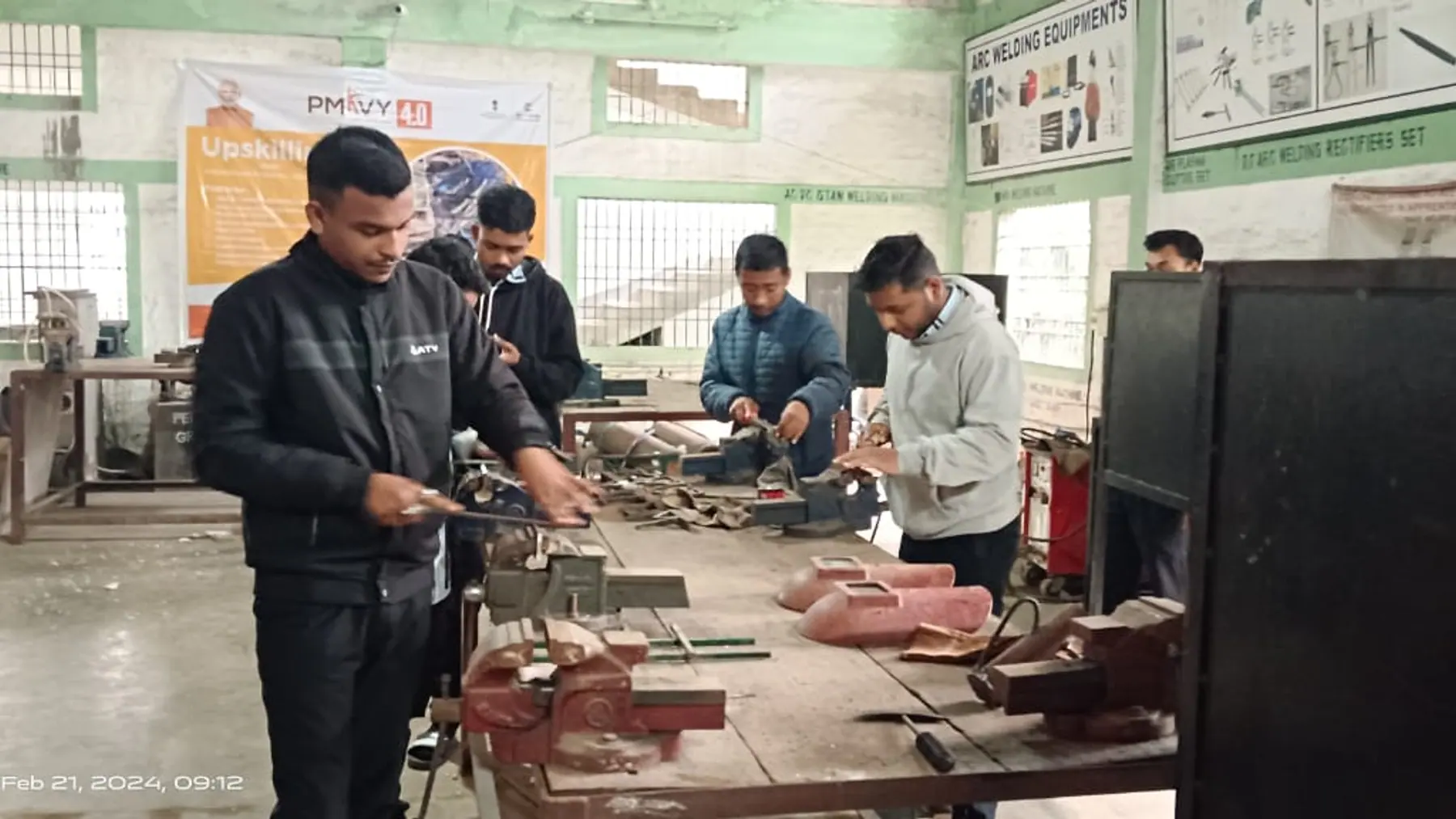

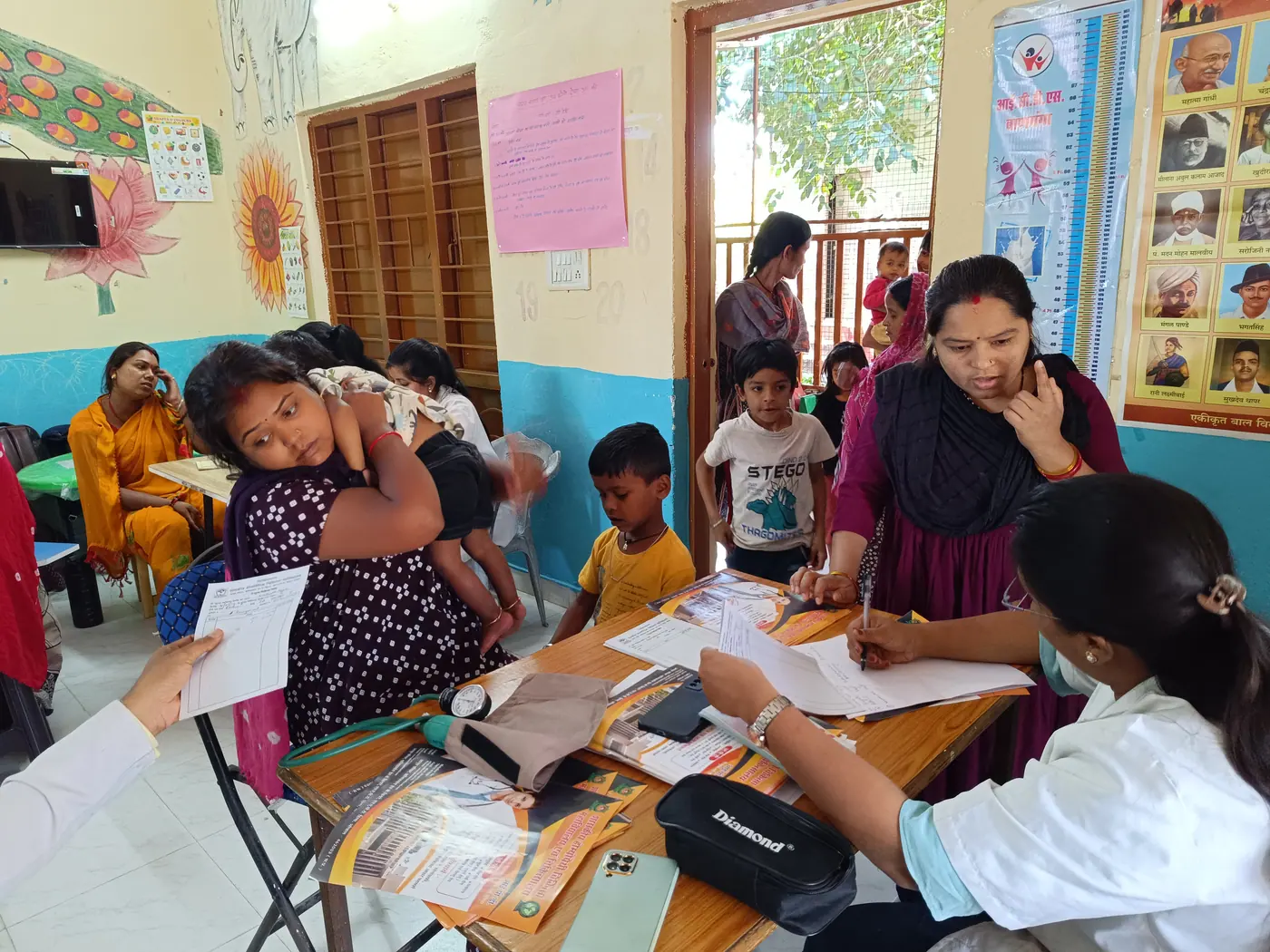
CSR skilling has matured past good intentions. Boards now expect the same rigour from a livelihood programme that they expect from any other spend — a defined objective, a mapped Schedule VII head, and evidence that stands up to independent review.
Anchor the design to a Schedule VII head
Before a single beneficiary is enrolled, the programme should be mapped to a specific category of Schedule VII of the Companies Act, 2013 — and confirmed with your legal team. That mapping shapes eligibility, reporting format, and the documentation you must retain.
Build the evidence trail as you go
- Baseline surveys and beneficiary identification with verifiable IDs.
- Attendance registers and standardised quality-assurance checks.
- End-line assessments and employment or income verification.
- A final impact report in your compliance committee's format.
Reconstructing this evidence after the fact is where most programmes stumble. Captured continuously, it becomes the impact report almost automatically.
The strongest impact reports are not written at the end — they are assembled from the first week onward.